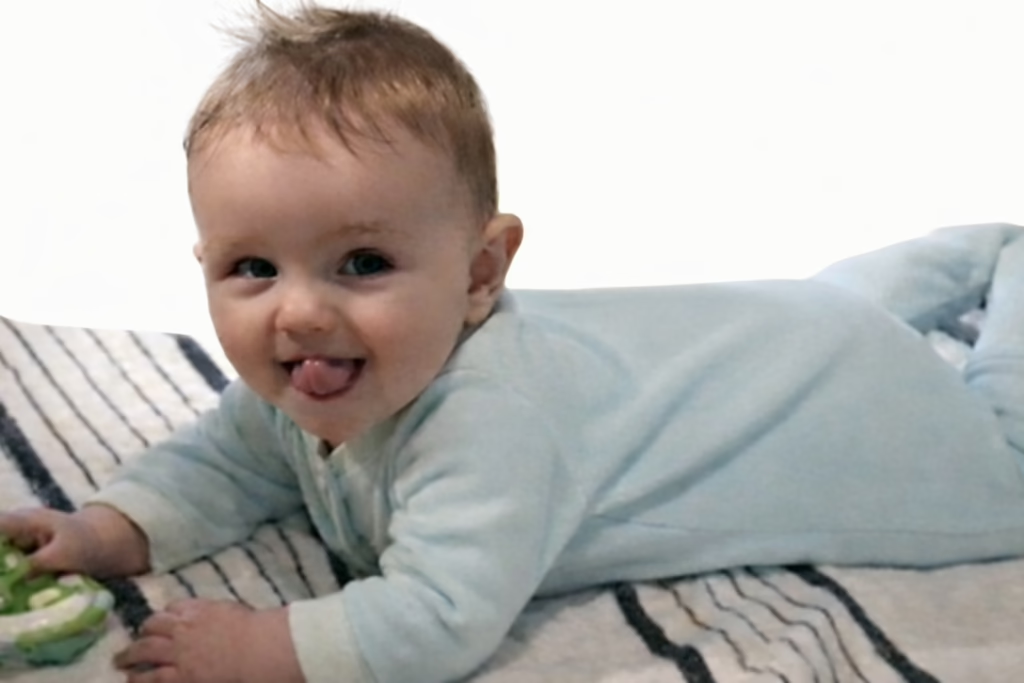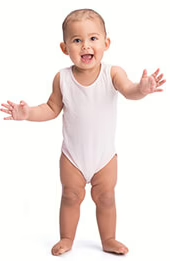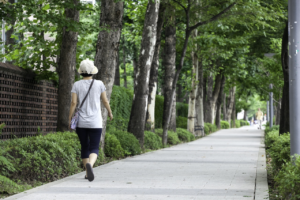
Maybe you have plans to improve or fix yourself – but do you know that you already have innate intelligence for improving? Watch a baby learn to roll, you’ll see —curiosity, play, and an effortless kind of intelligence at work.
Rolling is one of the first ways we learn to move in the world. It teaches how the eyes, head, spine, ribs, and pelvis cooperate, how momentum replaces effort, and how the floor becomes an ally rather than an obstacle.
Here is Baby Liv, offering a beautiful reminder of how organic and highly individual rolling really is—guided by curiosity, timing, and relationship to the ground rather than instruction:
That same spirit shows up in our Awareness Through Movement™ classes. Rolling lessons often bring laughter, surprise, and those small “oh!” moments when movement becomes easier than expected. We explore, pause, and try things differently. In the process, people often find more ease in turning, getting up and down, balancing, and breathing. It’s a gentle and enjoyable way to begin the year—less about resolutions, more about rediscovering how well we’re already designed to move.
If you’re curious to see how this looks in practice, here are two short glimpses from very different ends of the spectrum.
Here is an excerpt from a past class where we were practicing rolling together. You’ll get a sense of the atmosphere, the pacing, and the moments of discovery and enjoyment that often emerge: